


10 Ago An interview with Saba Ghasemi, director and composer of “We Used to be Forbidden”
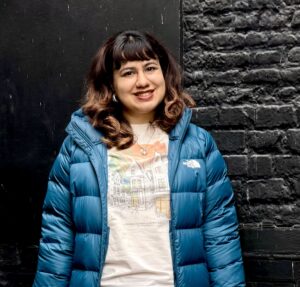
BIO
We Used to be Forbidden condenses a monumental and deeply tragic reality into a remarkably brief five-minute runtime. How did you decide which specific parts of the interviews to include to get your message across?
This tragedy has so many layers, but I chose to focus on its most fundamental one: women and the compulsory hijab. I wanted to show how this dress code has shaped and changed every aspect of our lives, from school and university to the most ordinary moments. It is not just about what we wear; it influences how we grow up, how we move through society, and how we experience our daily lives.

The camera work in the film is incredibly raw, handheld, and unfiltered. Can you tell us about the practical aspects of the shoot and why you chose to film it this way?
That is why I chose this raw and simple visual style. It reflects our everyday lives. I didn’t want polished images to distance the audience from the truth. I wanted the film to feel honest, immediate, and personal, as if these women were speaking directly to you.

By focusing strictly on fragmented talking-head interviews, the documentary centers on the direct testimonies of Iranian women, both expats and those currently living in the country. What was the process of finding these participants and conducting the interviews?
It wasn’t difficult to find Iranian girls and women who wanted to speak about their experiences and what has happened to us. Many of us have been carrying these stories for years, waiting for a chance to be heard.
We still don’t know what the future of freedom in Iran will look like. But I chose the title We Used to be Forbidden because I believe Iranian women are incredibly courageous. Despite the risks and the serious consequences they may face, they continue to speak up, resist, and fight for their rights. The title reflects my hope that one day “being forbidden” will belong only to the past.

As a project developed at the MetFilm School, this short already demonstrates a fiercely independent and urgent directorial voice that refuses to compromise. How did the school’s environment influence the making of this project, and what kind of films do you hope to direct next?
The funny thing is that, as a multimedia artist and production designer, I never really know what will come next. I enjoy moving between different forms of storytelling, so every new project feels like a new adventure.
I have a new short film coming out very soon, and I’m also working on the video art design for a theatre production. MetFilm School was a wonderful starting point after I moved to the UK. It gave me the confidence to develop my voice as a filmmaker, and my supervisor, Nick Cohen, played a huge role in helping me understand how I could build an international career in London.
My biggest hope is to make my first feature film in the near future. Let’s see how kind the funding opportunities are to me.
What are you currently working on?
I’m currently in the final stages of post-production on my short film Leaving Ealing. Alongside that, I’m developing a photography project about London.
I’m also directing a documentary about the internet blackout in Iran with Kimiya Alvani. Looking a little further ahead, I’m finishing the script for my first horror film with my wonderful collaborator, Fatemeh Mohammadmehdipour. It’s a psychological horror story, and I’m incredibly excited to bring it to life.